Anandi Hospitals helps expecting mothers in Chhatrapati Sambhajinagar (Aurangabad) manage nausea and vomiting during pregnancy safely, with simple remedies and expert care when vomiting becomes severe.
Nausea and vomiting, often called morning sickness, are among the most common symptoms of early pregnancy. For most women they are unpleasant but harmless, and settle by the end of the first trimester.
When vomiting is frequent and severe, it can lead to dehydration and weight loss, a condition called hyperemesis gravidarum, which needs medical care. At Anandi Hospitals in Aurangabad, we help you tell the difference and get the right treatment.
Vomiting during pregnancy is part of nausea and vomiting of pregnancy (NVP), commonly known as morning sickness. Despite the name, it can happen at any time of day or night.
It is caused mainly by the rapid rise in pregnancy hormones, especially human chorionic gonadotropin (hCG) and oestrogen, along with a more sensitive stomach and a heightened sense of smell.
Most vomiting is mild to moderate, begins around week 6, peaks between weeks 8 and 12, and eases by the end of the first trimester. It usually does not harm your baby.
In some women, vomiting is severe and constant, making it hard to keep any food or fluids down. This is hyperemesis gravidarum and should be treated promptly to prevent dehydration.
| Feature | Normal Vomiting | Hyperemesis Gravidarum |
|---|---|---|
| Frequency | A few times a day | Many times a day, almost constant |
| Eating and drinking | Can keep some food and fluids down | Cannot keep food or fluids down |
| Weight | Little or no weight loss | Noticeable weight loss |
| Dehydration | Uncommon | Common, with dark urine and dizziness |
| When it eases | Usually by weeks 14 to 16 | Often lasts longer, may need hospital care |
| Treatment | Home remedies, diet and rest | IV fluids and anti-nausea medicines |
| Effect on baby | No harm to baby | Usually fine with prompt treatment |
In short, most vomiting in pregnancy is normal and settles with simple self-care. If you cannot keep fluids down, vomit many times a day, or feel very weak, contact your gynaecologist straight away.
Keeping something in your stomach, like dry crackers or toast, helps prevent an empty stomach that triggers vomiting.
Take small, frequent sips of water, coconut water or clear fluids to stay hydrated between bouts of vomiting.
Ginger tea, ginger biscuits or fresh ginger can naturally ease nausea and reduce vomiting.
Stay away from strong smells, spicy or greasy foods and stuffy rooms that set off vomiting.
Keep dry crackers by the bed and eat a little before rising to settle your stomach.
Vitamin B6 (pyridoxine) can reduce nausea and vomiting. Take it only as advised by your doctor.
Tiredness makes vomiting worse, so rest and get enough sleep whenever you can.
The pregnancy hormone hCG rises quickly in early pregnancy and peaks at the same time as vomiting, which is why symptoms are strongest in the first trimester.
Increased oestrogen can irritate the stomach and add to feelings of nausea and vomiting.
Many women become far more sensitive to smells in pregnancy, and strong odours can quickly trigger vomiting.
Going too long without eating can lower blood sugar and make nausea and vomiting worse, especially in the morning.
Spicy, greasy or strong-smelling foods, and even cooking smells, can set off vomiting during pregnancy.
Being very tired or stressed can make nausea and vomiting feel worse, so rest is important.
01
Vomiting usually begins around week 6 of pregnancy, sometimes as early as week 4.
02
Vomiting is often worst between weeks 8 and 12, when pregnancy hormones are at their highest.
03
For most women vomiting improves by weeks 14 to 16. If it continues or worsens, see your gynaecologist.
Skilled gynaecologists and obstetricians caring for expecting mothers through every stage of pregnancy.
Antenatal care, IV fluids and anti-nausea treatment, sonography, NICU and delivery, all in one place.
Quick assessment of vomiting and dehydration, with safe treatment when it is severe.
Adalat Road and Sutgirni Chowk, Chhatrapati Sambhajinagar (Aurangabad).
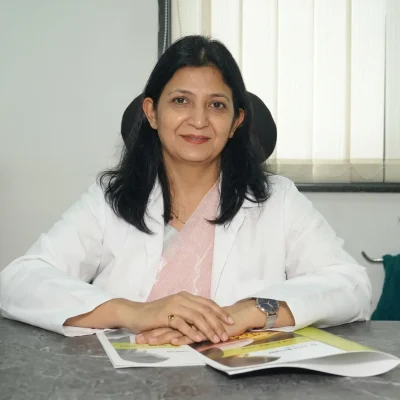
You’re in safe hands with our team of renowned specialists, who bring decades of clinical excellence and patient trust:

M.B.B.S., M.S. (OBGY) Fellowship in Infertility & Laparoscopic Surgeon
Director,
Consultant Obstetrician & Gynaecologist

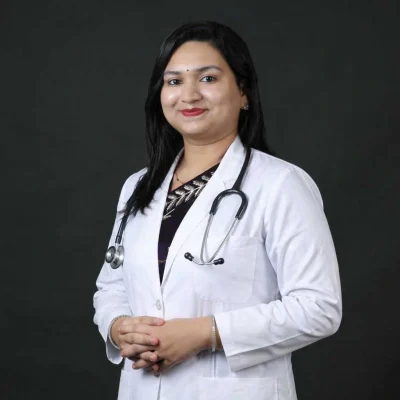
Consultant Obstetrician & Gynaecologist
Our patients’ experiences speak to the quality of care at Anandi Hospitals:
Posted on GoogleTrustindex verifies that the original source of the review is Google. Excellent experience.Posted on GoogleTrustindex verifies that the original source of the review is Google. Best treatment with minimum costPosted on GoogleTrustindex verifies that the original source of the review is Google. Our daughter was born here, and we couldn't have asked for a better experience. Dr. Jyoti was exceptional — her care and guidance through the pregnancy made all the difference. Post-delivery care had a minor gap as the AC in the room was leaking and the fan was making some noise but the caretakers fixed it after a few hours.Posted on GoogleTrustindex verifies that the original source of the review is Google. Happy to say that Anandi hospital is way too good, their services provided,Dr.Jyoti Ma'am's guidance and consultation are top notch,and all health care team are very humble and cooperative. Thank you❤️❤️Posted on GoogleTrustindex verifies that the original source of the review is Google. ڈاکٹر جیوتی برادر ماہرِ خواتین ،آنندی ہاسپٹل ،،اورنگ آباد،مہاراشٹر ، ذاتی تجربہ،بہترین اور کفایتی علاج ،اگر گھر کی خواتین کا جو بھی علاج ہو ۔ایک بار ضرور ڈاکٹر جیوتی سے ملاقات کریں۔Posted on GoogleTrustindex verifies that the original source of the review is Google. Good experience overall at Anandi hospital. Medical care and doctor consultation were top notch. Staff is very supportive. Highly recommend hospitalPosted on GoogleTrustindex verifies that the original source of the review is Google. We had amazing experience at Anandi hospital. The doctors,nurses , and all staff is caring , made us feel safe through entire journey.. provide all facilities required. special thanks to dr. Jyoti shevgan mam. Best doctor ever Highly recommend hospital for maternity!!!Posted on GoogleTrustindex verifies that the original source of the review is Google. Best maternity hospital in providing all facilities required... Having cooperative staff as well..! All staff and doctors of these hospitals are caring and supportive.. we got wonderful experience here thankyou so much anandi hospital...!!
Contact your gynaecologist if you cannot keep any food or fluids down, vomit more than a few times a day, feel dizzy or faint, pass very little or dark urine, lose weight, or notice a racing heartbeat. These can be signs of hyperemesis gravidarum or dehydration.
At Anandi Hospitals in Aurangabad, our team can assess your symptoms, give fluids and safe anti-nausea medicine, and protect both you and your baby.
If vomiting is affecting your daily life or feels severe, do not wait. Call Anandi Hospitals or book online to meet our experienced gynaecologists for safe, reassuring care.
WhatsApp us