Anandi Hospitals helps expecting mothers in Chhatrapati Sambhajinagar (Aurangabad) manage itching during pregnancy safely, and know when itching is a sign of something that needs medical care.
Mild itching is very common in pregnancy, usually caused by stretching skin and hormonal changes. At Anandi Hospitals in Aurangabad, our maternity specialists help you find safe relief and spot the less common signs that need attention.
Most itching is harmless, but intense itching, especially on the palms and soles, can point to a liver condition called obstetric cholestasis, which needs prompt care to protect your baby.
Itching during pregnancy, medically called pruritus, is a very common symptom, especially over the growing bump, breasts, thighs and hands. It is usually caused by the skin stretching and by pregnancy hormones.
As your baby grows, the skin over your abdomen stretches and can become dry, tight and itchy. Higher hormone levels and increased blood flow to the skin can add to the feeling.
For most women this itching is mild and settles with simple moisturising and self-care. It often eases after delivery.
In a small number of women, itching is intense, worse at night, and mainly on the palms and soles without a rash. This can be a sign of obstetric cholestasis and should be checked by a doctor straight away.
| Feature | Normal Itching | Itching That Needs a Doctor |
|---|---|---|
| Intensity | Mild to moderate | Intense and hard to ignore |
| Where | Over the bump, breasts and thighs | Mainly the palms and soles |
| Rash | May have a mild rash (PUPPP) | Often no rash |
| Timing | Any time, eases with moisturiser | Often worse at night |
| Other signs | None | Jaundice, dark urine, pale stools |
| Likely cause | Stretching or dry skin | Possible obstetric cholestasis |
| What to do | Self-care at home | See a doctor urgently |
In short, most itching in pregnancy is normal and easily managed at home. Intense itching on the hands and feet, especially at night, or itching with jaundice needs urgent medical attention.
Apply a fragrance-free moisturiser to keep the skin soft and reduce itching from stretching.
Avoid hot showers and heat, which make itching worse. Cool baths and cold compresses help.
Soft, breathable fabrics reduce irritation and let the skin breathe.
Drinking plenty of water helps keep your skin hydrated from within.
Choose mild, unscented soaps and skincare to avoid irritating sensitive skin.
Fragrance-free calamine can soothe itchy skin. Check with your doctor first.
Scratching can damage the skin and worsen itching. Pat or gently rub instead.
As your bump grows, the skin stretches and can feel tight, dry and itchy, especially over the belly.
Pregnancy can make the skin drier than usual, and dry skin is more prone to itching.
Rising pregnancy hormones and increased blood flow to the skin can make it feel more sensitive and itchy.
PUPPP is a harmless but very itchy rash of small bumps that usually starts on the abdomen in later pregnancy. It settles after delivery.
Warm weather, sweating and tight clothing can trap heat and make itching worse.
A less common but serious liver condition that causes intense itching, especially on the palms and soles, usually without a rash. It needs medical care as it can affect the baby.
01
Itching is uncommon this early. Mild dryness may occur, but severe itching should be mentioned to your doctor.
02
As the bump grows, stretching skin often begins to feel dry and itchy.
03
Itching is most common now. Watch for intense itching on the palms and soles, which needs checking.
Skilled gynaecologists and obstetricians caring for expecting mothers through every stage of pregnancy.
Antenatal care, blood tests, sonography, NICU and delivery, all in one place.
Quick assessment of itching, including testing for cholestasis when needed.
Adalat Road and Sutgirni Chowk, Chhatrapati Sambhajinagar (Aurangabad).
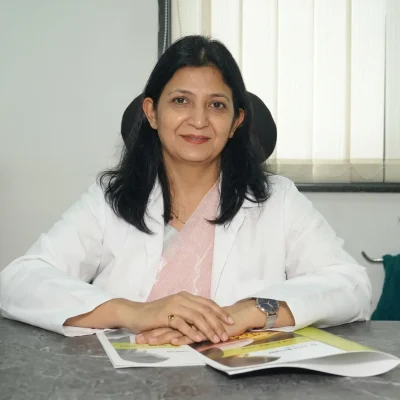
You’re in safe hands with our team of renowned specialists, who bring decades of clinical excellence and patient trust:

M.B.B.S., M.S. (OBGY) Fellowship in Infertility & Laparoscopic Surgeon
Director,
Consultant Obstetrician & Gynaecologist

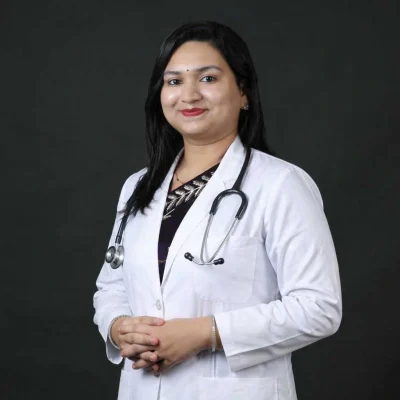
Consultant Obstetrician & Gynaecologist
Our patients’ experiences speak to the quality of care at Anandi Hospitals:
Posted on GoogleTrustindex verifies that the original source of the review is Google. Excellent experience.Posted on GoogleTrustindex verifies that the original source of the review is Google. Best treatment with minimum costPosted on GoogleTrustindex verifies that the original source of the review is Google. Our daughter was born here, and we couldn't have asked for a better experience. Dr. Jyoti was exceptional — her care and guidance through the pregnancy made all the difference. Post-delivery care had a minor gap as the AC in the room was leaking and the fan was making some noise but the caretakers fixed it after a few hours.Posted on GoogleTrustindex verifies that the original source of the review is Google. Happy to say that Anandi hospital is way too good, their services provided,Dr.Jyoti Ma'am's guidance and consultation are top notch,and all health care team are very humble and cooperative. Thank you❤️❤️Posted on GoogleTrustindex verifies that the original source of the review is Google. ڈاکٹر جیوتی برادر ماہرِ خواتین ،آنندی ہاسپٹل ،،اورنگ آباد،مہاراشٹر ، ذاتی تجربہ،بہترین اور کفایتی علاج ،اگر گھر کی خواتین کا جو بھی علاج ہو ۔ایک بار ضرور ڈاکٹر جیوتی سے ملاقات کریں۔Posted on GoogleTrustindex verifies that the original source of the review is Google. Good experience overall at Anandi hospital. Medical care and doctor consultation were top notch. Staff is very supportive. Highly recommend hospitalPosted on GoogleTrustindex verifies that the original source of the review is Google. We had amazing experience at Anandi hospital. The doctors,nurses , and all staff is caring , made us feel safe through entire journey.. provide all facilities required. special thanks to dr. Jyoti shevgan mam. Best doctor ever Highly recommend hospital for maternity!!!Posted on GoogleTrustindex verifies that the original source of the review is Google. Best maternity hospital in providing all facilities required... Having cooperative staff as well..! All staff and doctors of these hospitals are caring and supportive.. we got wonderful experience here thankyou so much anandi hospital...!!
Contact your gynaecologist if your itching is intense, worse at night, mainly on the palms and soles, or comes with a rash, yellowing of the skin or eyes (jaundice), dark urine or pale stools. These can be signs of obstetric cholestasis or another problem that needs treatment.
At Anandi Hospitals in Aurangabad, our team can check your symptoms, run a simple blood test for cholestasis, and keep both you and your baby safe.
If itching is troubling you, or feels intense or unusual, do not wait. Call Anandi Hospitals or book online to meet our experienced gynaecologists for safe, reassuring care.
WhatsApp us