Anandi Hospitals provides expert care for morning sickness in Chhatrapati Sambhajinagar (Aurangabad), helping expecting mothers manage nausea and vomiting during pregnancy safely, with guidance from experienced gynaecologists.
Morning sickness, the nausea and vomiting of pregnancy (NVP), affects most expecting mothers, usually during the first trimester. At Anandi Hospitals in Chhatrapati Sambhajinagar (Aurangabad), our maternity specialists help you understand why it happens and how to find safe, effective relief for a healthier, more comfortable pregnancy.
Mild morning sickness is a normal and often reassuring sign of pregnancy, but severe or persistent vomiting needs medical attention. Our team guides you through every stage, from simple home remedies to medical treatment when required.
Morning sickness is the nausea and vomiting many women experience during pregnancy, medically known as nausea and vomiting of pregnancy (NVP). Despite the name, it can happen at any time of day, morning, afternoon or night.
It is caused mainly by the rapid rise in pregnancy hormones, especially human chorionic gonadotropin (hCG) and oestrogen, along with a heightened sense of smell and a more sensitive stomach in early pregnancy.
For most women, morning sickness is mild to moderate and does not harm the baby. It typically begins around week 6 of pregnancy, peaks between weeks 8 and 12, and eases by the end of the first trimester.
In a small number of cases, nausea and vomiting become severe, a condition called hyperemesis gravidarum, which needs medical care. At Anandi Hospitals, our gynaecologists in Aurangabad assess your symptoms and recommend the right level of support.
| Feature | Normal Morning Sickness | Hyperemesis Gravidarum |
|---|---|---|
| Nausea and vomiting | Mild to moderate, manageable | Severe and persistent, many times a day |
| Eating and drinking | Can usually keep some food and fluids down | Cannot keep food or fluids down |
| Weight | Little or no weight loss | Noticeable weight loss |
| Dehydration | Uncommon | Common, with dark urine and dizziness |
| When it eases | Usually by weeks 14 to 16 | Often lasts longer, may need hospital care |
| Treatment | Home remedies, diet and rest | Medical care, IV fluids and anti-nausea medicines |
| Effect on baby | No harm to baby | Usually fine with prompt treatment |
In short, most morning sickness is normal and manageable at home. Hyperemesis gravidarum is far less common but needs prompt medical treatment to prevent dehydration and weight loss. If you cannot keep fluids down, contact your gynaecologist.
Keep something in your stomach such as dry crackers, toast or a light snack every few hours, and avoid going too long without eating.
Sip water, coconut water or clear fluids through the day. Cold, fizzy or lemon-flavoured drinks are often easier to keep down.
Ginger tea, ginger biscuits or fresh ginger can naturally ease nausea and is safe in moderation during pregnancy.
Tiredness makes morning sickness worse, so rest when you can and try to get enough sleep.
Strong smells, spicy or greasy foods and stuffy rooms can set off nausea. Identify and avoid what triggers yours.
Vitamin B6 (pyridoxine) can reduce nausea and is often recommended by doctors. Take it only as advised by your gynaecologist.
Wristbands that press gently on the P6 point on the wrist may help relieve nausea for some women.
The pregnancy hormone hCG rises rapidly in early pregnancy and peaks around the same time as morning sickness, a key reason nausea is strongest in the first trimester.
Higher oestrogen levels during pregnancy can irritate the stomach lining and increase feelings of nausea.
Many women become far more sensitive to smells in pregnancy, and strong odours can quickly trigger nausea and vomiting.
Pregnancy slows digestion and makes the stomach more sensitive, which can cause queasiness, especially on an empty stomach.
Carrying twins or more raises hormone levels further, which can make morning sickness more intense.
Morning sickness is often stronger in a first pregnancy, and a personal or family history of severe nausea can increase the likelihood.
01
Morning sickness usually begins around week 6 of pregnancy, though some women notice nausea as early as week 4, soon after a missed period.
02
Symptoms are usually strongest between weeks 8 and 12, when pregnancy hormone levels are at their highest.
03
For most women, morning sickness improves by weeks 14 to 16 as the first trimester ends. If it continues or worsens, see your gynaecologist.
Skilled gynaecologists and obstetricians caring for expecting mothers through every stage of pregnancy.
Antenatal care, sonography, nutrition guidance, NICU and delivery, all in one place.
Clear advice on safe remedies, diet and when medical treatment is needed for nausea and vomiting.
Adalat Road and Sutgirni Chowk, Chhatrapati Sambhajinagar (Aurangabad).
You’re in safe hands with our team of renowned specialists, who bring decades of clinical excellence and patient trust:

M.B.B.S., M.S. (OBGY) Fellowship in Infertility & Laparoscopic Surgeon
Director,
Consultant Obstetrician & Gynaecologist


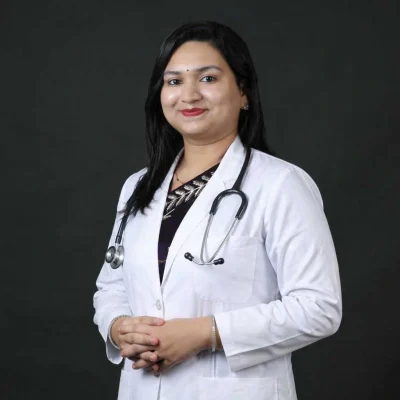
Consultant Obstetrician & Gynaecologist
Our patients’ experiences speak to the quality of care at Anandi Hospitals:
Posted on GoogleTrustindex verifies that the original source of the review is Google. Excellent experience.Posted on GoogleTrustindex verifies that the original source of the review is Google. Best treatment with minimum costPosted on GoogleTrustindex verifies that the original source of the review is Google. Our daughter was born here, and we couldn't have asked for a better experience. Dr. Jyoti was exceptional — her care and guidance through the pregnancy made all the difference. Post-delivery care had a minor gap as the AC in the room was leaking and the fan was making some noise but the caretakers fixed it after a few hours.Posted on GoogleTrustindex verifies that the original source of the review is Google. Happy to say that Anandi hospital is way too good, their services provided,Dr.Jyoti Ma'am's guidance and consultation are top notch,and all health care team are very humble and cooperative. Thank you❤️❤️Posted on GoogleTrustindex verifies that the original source of the review is Google. ڈاکٹر جیوتی برادر ماہرِ خواتین ،آنندی ہاسپٹل ،،اورنگ آباد،مہاراشٹر ، ذاتی تجربہ،بہترین اور کفایتی علاج ،اگر گھر کی خواتین کا جو بھی علاج ہو ۔ایک بار ضرور ڈاکٹر جیوتی سے ملاقات کریں۔Posted on GoogleTrustindex verifies that the original source of the review is Google. Good experience overall at Anandi hospital. Medical care and doctor consultation were top notch. Staff is very supportive. Highly recommend hospitalPosted on GoogleTrustindex verifies that the original source of the review is Google. We had amazing experience at Anandi hospital. The doctors,nurses , and all staff is caring , made us feel safe through entire journey.. provide all facilities required. special thanks to dr. Jyoti shevgan mam. Best doctor ever Highly recommend hospital for maternity!!!Posted on GoogleTrustindex verifies that the original source of the review is Google. Best maternity hospital in providing all facilities required... Having cooperative staff as well..! All staff and doctors of these hospitals are caring and supportive.. we got wonderful experience here thankyou so much anandi hospital...!!
Most morning sickness can be managed at home, but contact your gynaecologist if you cannot keep any food or fluids down, vomit many times a day, feel dizzy or faint, pass very little or dark urine, lose weight, or notice a racing heartbeat. These can be signs of hyperemesis gravidarum or dehydration.
At Anandi Hospitals in Aurangabad, our team can assess your symptoms, prevent dehydration, and provide safe anti-nausea treatment when needed, protecting both you and your baby.
If morning sickness is affecting your daily life, you do not have to manage it alone. Call Anandi Hospitals or book online to meet our experienced gynaecologists for safe, personalised care.
WhatsApp us