Anandi Hospitals helps expecting mothers in Chhatrapati Sambhajinagar (Aurangabad) manage swelling in the feet, legs and ankles during pregnancy, with safe relief and expert guidance on when it needs medical attention.
Mild swelling, or oedema, in the feet, ankles and legs is a very common and usually normal part of pregnancy, especially in the later months. At Anandi Hospitals in Aurangabad, our maternity specialists help you ease the discomfort and spot the signs that need a doctor.
Most swelling settles with simple self-care, but sudden or severe swelling can sometimes signal a condition like preeclampsia. Knowing the difference keeps you and your baby safe.
Swelling during pregnancy, known medically as oedema, happens when extra fluid builds up in the body’s tissues. It most often affects the feet, ankles and legs, and sometimes the hands and face.
During pregnancy your body makes around 50 percent more blood and fluid to support your growing baby. Some of this extra fluid settles in the lower parts of the body, causing the puffiness many women notice.
Swelling is usually worse at the end of the day, in hot weather, and after standing for long periods. It tends to increase in the third trimester and eases after delivery.
Mild, gradual swelling in both feet and legs is normal. Sudden swelling in the face and hands, or swelling in one leg with pain and redness, needs prompt medical attention.
| Feature | Normal Swelling | Warning-Sign Swelling |
|---|---|---|
| How it starts | Gradual, over weeks | Sudden, over a day or two |
| Where | Feet, ankles and lower legs | Face, around the eyes and hands |
| Pattern | Usually both legs equally | Face and hands, or one leg only |
| Other symptoms | None | Headache, blurred vision, abdominal pain |
| Time of day | Worse in the evening, better after rest | Does not improve with rest |
| What it may mean | Normal fluid retention | Possible preeclampsia or a clot |
| What to do | Self-care at home | See a doctor urgently |
In short, most swelling in pregnancy is harmless and manageable at home. Watch how quickly it comes on and where it appears, and contact your gynaecologist if anything feels sudden or severe.
Raise your feet and legs whenever you can to help fluid drain away from the lower body.
Drinking plenty of water helps your body flush out excess fluid and reduce swelling.
Gentle walks and simple foot exercises improve circulation and stop fluid pooling.
Choose supportive, roomy footwear and avoid tight straps or high heels.
Too much salt makes your body hold water, so season food lightly.
Lying on your left takes pressure off the main vein and eases leg swelling.
Take regular breaks to sit and elevate your feet; compression stockings can help.
Your body produces significantly more blood and fluid in pregnancy, and this extra fluid can collect in the tissues, especially in the feet and legs.
As the uterus grows, it presses on the large veins that return blood from your legs, slowing the flow and causing fluid to pool in the lower body.
Pregnancy hormones cause your body to hold on to more water and sodium, which adds to swelling.
Gravity naturally draws fluid downwards, so standing or sitting for long periods makes swelling in the feet and ankles worse.
Warm and humid weather can increase fluid retention, which is why swelling often feels worse in summer.
A diet high in salt, or not drinking enough water, can make your body retain more fluid and worsen swelling.
01
Swelling is uncommon this early. Any noticeable swelling now should be mentioned to your doctor.
02
Mild swelling in the feet and ankles may begin, especially from around the fifth month.
03
Swelling is most common now as fluid and pressure increase. It usually eases soon after delivery.
Skilled gynaecologists and obstetricians caring for expecting mothers through every stage of pregnancy.
Antenatal care, blood-pressure monitoring, sonography, NICU and delivery, all in one place.
Quick assessment of swelling and blood pressure, with clear advice on what is normal and what needs care.
Adalat Road and Sutgirni Chowk, Chhatrapati Sambhajinagar (Aurangabad).
You’re in safe hands with our team of renowned specialists, who bring decades of clinical excellence and patient trust:

M.B.B.S., M.S. (OBGY) Fellowship in Infertility & Laparoscopic Surgeon
Director,
Consultant Obstetrician & Gynaecologist
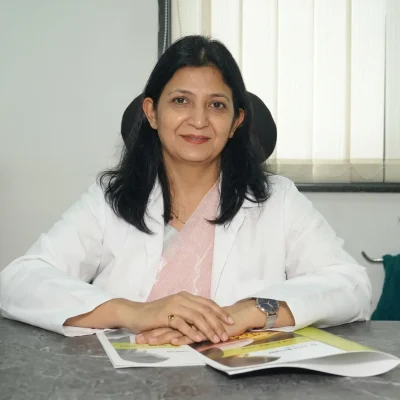
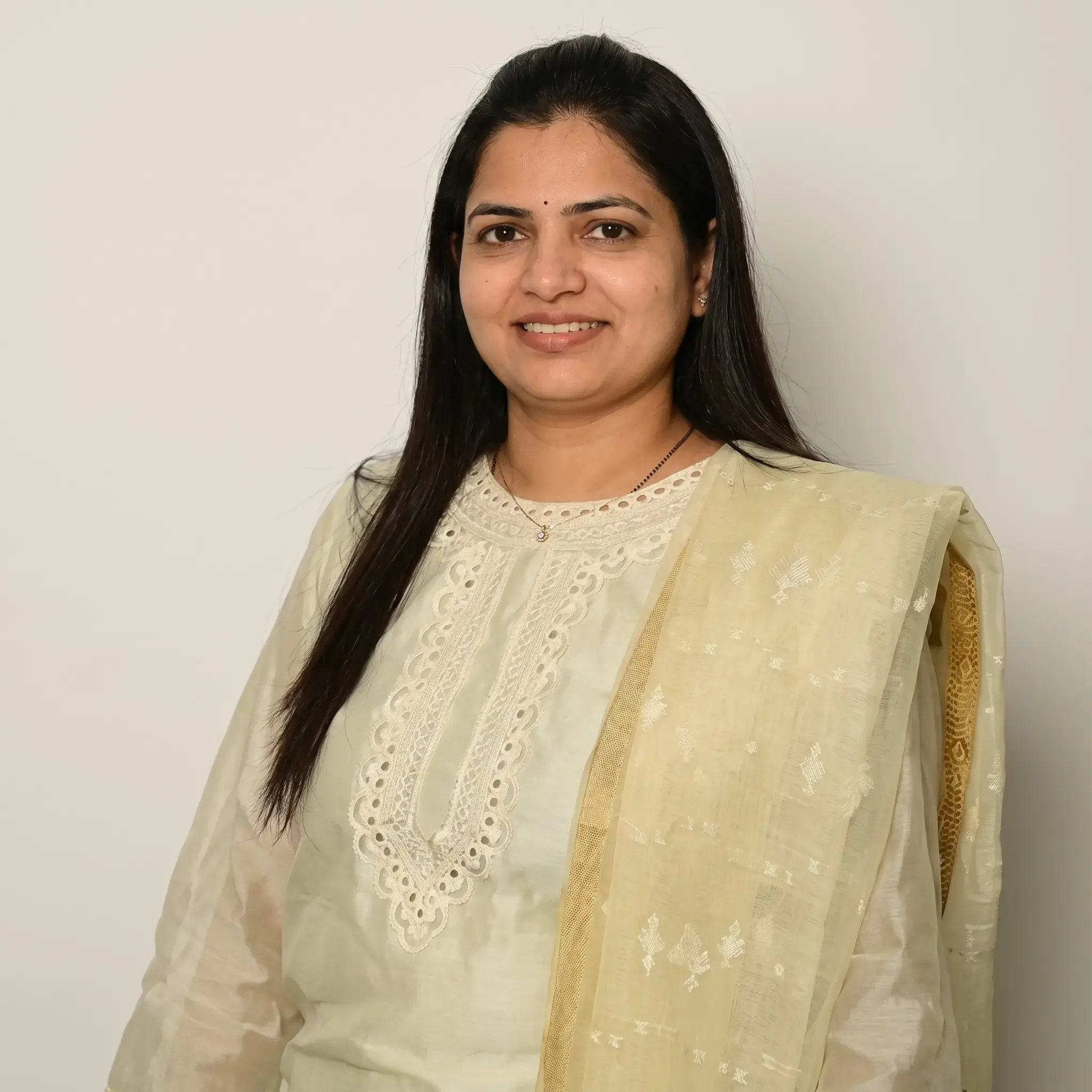
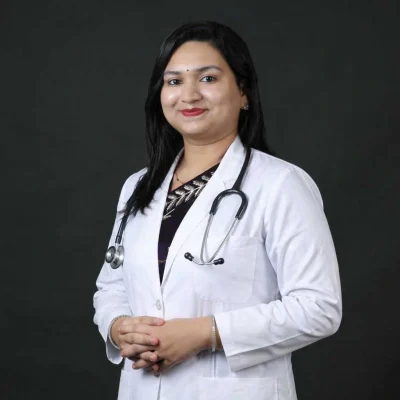
Consultant Obstetrician & Gynaecologist
Our patients’ experiences speak to the quality of care at Anandi Hospitals:
Posted on GoogleTrustindex verifies that the original source of the review is Google. Excellent experience.Posted on GoogleTrustindex verifies that the original source of the review is Google. Best treatment with minimum costPosted on GoogleTrustindex verifies that the original source of the review is Google. Our daughter was born here, and we couldn't have asked for a better experience. Dr. Jyoti was exceptional — her care and guidance through the pregnancy made all the difference. Post-delivery care had a minor gap as the AC in the room was leaking and the fan was making some noise but the caretakers fixed it after a few hours.Posted on GoogleTrustindex verifies that the original source of the review is Google. Happy to say that Anandi hospital is way too good, their services provided,Dr.Jyoti Ma'am's guidance and consultation are top notch,and all health care team are very humble and cooperative. Thank you❤️❤️Posted on GoogleTrustindex verifies that the original source of the review is Google. ڈاکٹر جیوتی برادر ماہرِ خواتین ،آنندی ہاسپٹل ،،اورنگ آباد،مہاراشٹر ، ذاتی تجربہ،بہترین اور کفایتی علاج ،اگر گھر کی خواتین کا جو بھی علاج ہو ۔ایک بار ضرور ڈاکٹر جیوتی سے ملاقات کریں۔Posted on GoogleTrustindex verifies that the original source of the review is Google. Good experience overall at Anandi hospital. Medical care and doctor consultation were top notch. Staff is very supportive. Highly recommend hospitalPosted on GoogleTrustindex verifies that the original source of the review is Google. We had amazing experience at Anandi hospital. The doctors,nurses , and all staff is caring , made us feel safe through entire journey.. provide all facilities required. special thanks to dr. Jyoti shevgan mam. Best doctor ever Highly recommend hospital for maternity!!!Posted on GoogleTrustindex verifies that the original source of the review is Google. Best maternity hospital in providing all facilities required... Having cooperative staff as well..! All staff and doctors of these hospitals are caring and supportive.. we got wonderful experience here thankyou so much anandi hospital...!!
Contact your gynaecologist straight away if you have sudden or severe swelling in the face, around the eyes or in the hands; a bad headache; blurred vision or flashing lights; upper abdominal pain; or sudden weight gain. These can be signs of preeclampsia. Swelling in one leg with pain, warmth or redness also needs urgent checking.
At Anandi Hospitals in Aurangabad, our team can check your blood pressure, test for preeclampsia, and make sure both you and your baby stay safe and comfortable.
If swelling is troubling you or coming on suddenly, do not wait. Call Anandi Hospitals or book online to meet our experienced gynaecologists for safe, reassuring care.
WhatsApp us