At Anandi Hospitals, your mammogram is performed in a private, comfortable setting by staff who understand that this test can feel daunting. If anything needs a closer look, our full women’s health team is right here to guide you.
Mammography is an imaging test that uses a small, safe dose of X-rays to create detailed pictures of the inside of the breast. Because it can reveal tiny changes that are far too small to feel, it is the cornerstone of breast cancer screening for women.
| Feature | Screening Mammogram | Diagnostic Mammogram |
|---|---|---|
| Who it is for | Women with no symptoms, as a routine check | Women with a symptom or an abnormal screening result |
| Main purpose | Find breast cancer early, before symptoms | Take a closer look at a specific concern |
| Images taken | Usually two standard views of each breast | Extra, focused views of the area of concern |
| When it is advised | Regularly from around age 40, or as advised | After a lump, pain, discharge or a recall |
| What usually follows | A routine report, repeat in one to two years | May be combined with ultrasound or a biopsy |
Tiny lumps and masses that cannot yet be felt by hand, often the earliest sign of a problem.
Specks of calcium that can be an early clue to changes in the breast tissue.
Areas that may need an ultrasound to tell a harmless fluid-filled cyst from a solid lump.
New areas of density or distortion that were not present on an earlier scan.
Asymmetry or an unusual pattern when the two breasts are compared.
Subtle differences from your previous mammogram that are worth a closer look.
Early changes that appear long before a lump can be felt or any symptom is noticed.
Early detection is the best protection. Call Anandi Hospitals today to book your mammography in Aurangabad, a quick and low-dose test carried out with care, privacy and clear reporting.
01
No fasting is needed. Skip deodorant, powder and lotion on the day, and a two-piece outfit is easiest. Booking just after your period keeps breasts less tender.
02
You stand at the machine while each breast is gently pressed between two plates for a few seconds and the images are taken. The whole visit usually takes around 20 to 30 minutes.
03
You can return to your day straight away. A specialist studies the images, and your doctor explains the report and when your next check is due.
Your images are taken and read by specialists who focus on breast imaging every day.
Up-to-date equipment for clear, detailed images at a low radiation dose.
A calm, respectful environment with staff who make a sensitive test as comfortable as possible.
If anything needs follow-up, our full gynaecology and imaging team is right here to help.
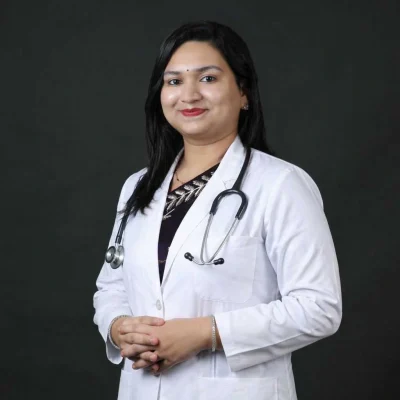
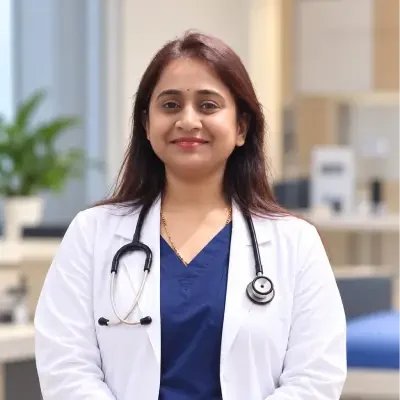
You’re in safe hands with our team of renowned specialists, who bring decades of clinical excellence and patient trust:
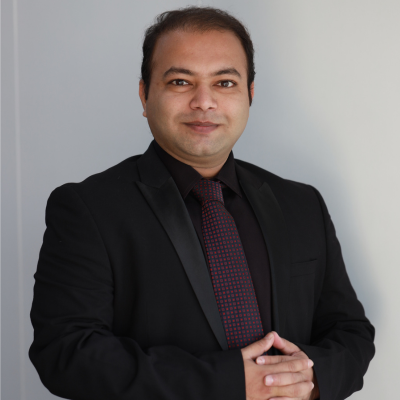
M.B.B.S., M.S. (OBGY) Fellowship in Infertility & Laparoscopic Surgeon
Director,
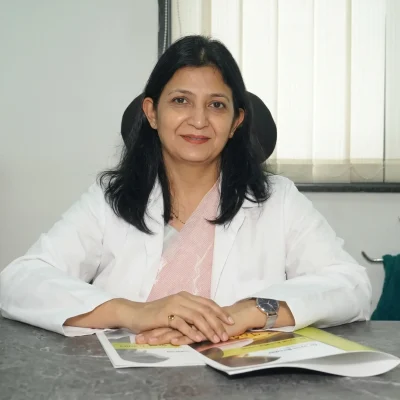
Consultant Obstetrician & Gynaecologist
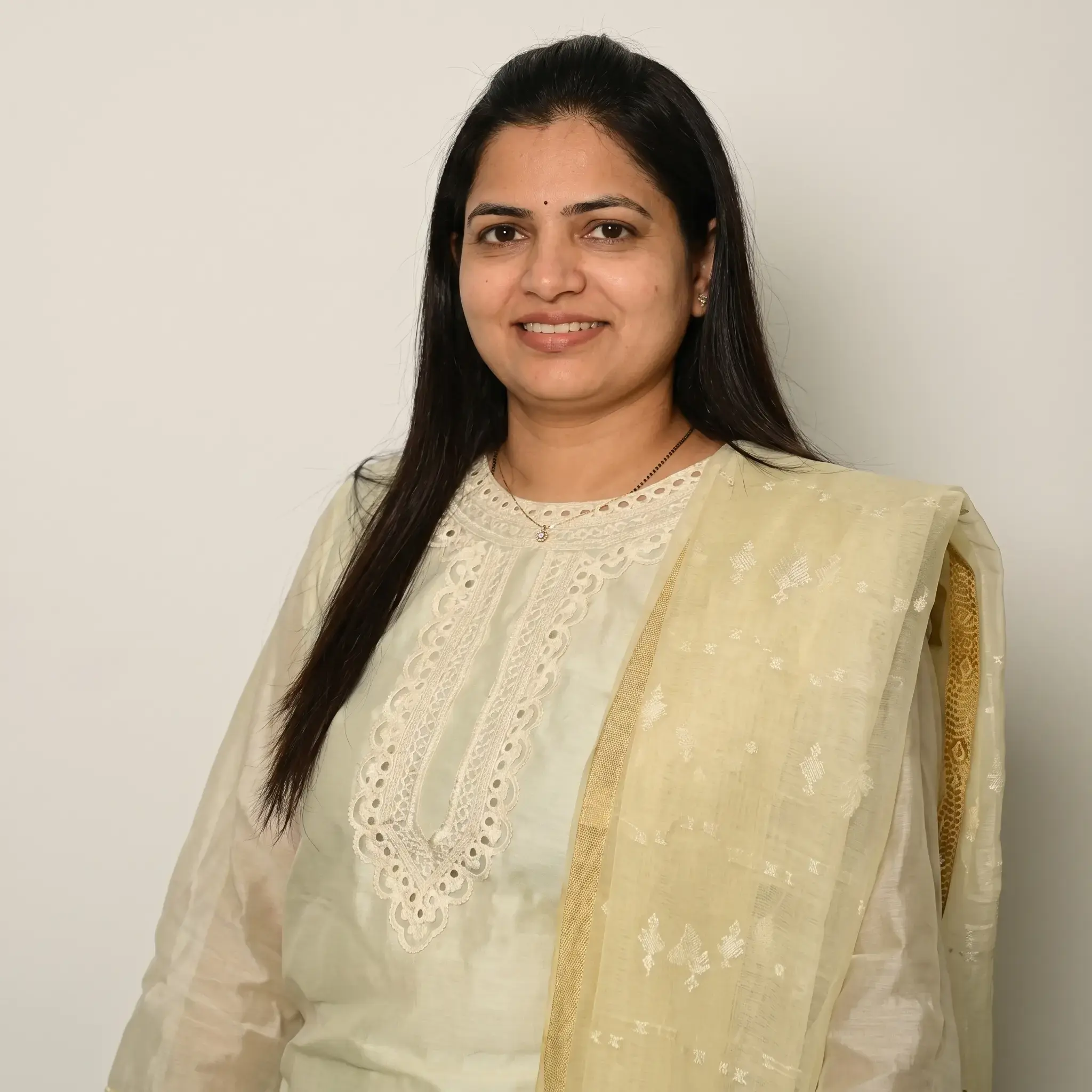
Consultant Obstetrician & Gynaecologist
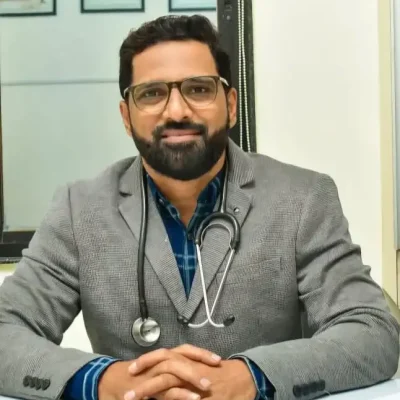
MBBS, DCH (Paediatrician & Neonatologist)
Consultant Paediatrician & Neonatologist
Posted on GoogleTrustindex verifies that the original source of the review is Google. Excellent experience.Posted on GoogleTrustindex verifies that the original source of the review is Google. Best treatment with minimum costPosted on GoogleTrustindex verifies that the original source of the review is Google. Our daughter was born here, and we couldn't have asked for a better experience. Dr. Jyoti was exceptional — her care and guidance through the pregnancy made all the difference. Post-delivery care had a minor gap as the AC in the room was leaking and the fan was making some noise but the caretakers fixed it after a few hours.Posted on GoogleTrustindex verifies that the original source of the review is Google. Happy to say that Anandi hospital is way too good, their services provided,Dr.Jyoti Ma'am's guidance and consultation are top notch,and all health care team are very humble and cooperative. Thank you❤️❤️Posted on GoogleTrustindex verifies that the original source of the review is Google. ڈاکٹر جیوتی برادر ماہرِ خواتین ،آنندی ہاسپٹل ،،اورنگ آباد،مہاراشٹر ، ذاتی تجربہ،بہترین اور کفایتی علاج ،اگر گھر کی خواتین کا جو بھی علاج ہو ۔ایک بار ضرور ڈاکٹر جیوتی سے ملاقات کریں۔Posted on GoogleTrustindex verifies that the original source of the review is Google. Good experience overall at Anandi hospital. Medical care and doctor consultation were top notch. Staff is very supportive. Highly recommend hospitalPosted on GoogleTrustindex verifies that the original source of the review is Google. We had amazing experience at Anandi hospital. The doctors,nurses , and all staff is caring , made us feel safe through entire journey.. provide all facilities required. special thanks to dr. Jyoti shevgan mam. Best doctor ever Highly recommend hospital for maternity!!!Posted on GoogleTrustindex verifies that the original source of the review is Google. Best maternity hospital in providing all facilities required... Having cooperative staff as well..! All staff and doctors of these hospitals are caring and supportive.. we got wonderful experience here thankyou so much anandi hospital...!!
WhatsApp us