Anandi Hospitals provides expert screening and treatment for anemia during pregnancy in Chhatrapati Sambhajinagar (Aurangabad), keeping both mother and baby healthy with the right iron and nutrition support.
Anaemia, or low haemoglobin, is one of the most common conditions in pregnancy, especially in India. It happens when you do not have enough healthy red blood cells to carry oxygen around your body and to your baby.
The good news is that anaemia in pregnancy is easy to detect with a simple blood test and very treatable. At Anandi Hospitals in Aurangabad, we check for it early and guide you with iron, diet and, when needed, medical treatment.
Anemia during pregnancy means your haemoglobin level is lower than normal. Haemoglobin is the part of your red blood cells that carries oxygen. In pregnancy, your body needs much more iron and blood to support your growing baby.
The most common type is iron-deficiency anaemia, where the body does not have enough iron to make haemoglobin. Folate (folic acid) and vitamin B12 deficiency can also cause anaemia.
Mild anaemia is common and easily corrected. If left untreated, more severe anaemia can cause tiredness, increase the risk of complications, and affect your baby’s growth and delivery.
Because anaemia often has no obvious symptoms at first, regular antenatal blood tests are the best way to catch and treat it early.
| Category | Haemoglobin (g/dL) | What it means |
|---|---|---|
| Normal | 11 or above | Healthy haemoglobin for pregnancy |
| Mild anaemia | 10.0 to 10.9 | Common; usually corrected with iron and diet |
| Moderate anaemia | 7.0 to 9.9 | Needs active treatment and monitoring |
| Severe anaemia | Below 7.0 | Needs urgent care, sometimes IV iron or transfusion |
In short, anaemia is graded by your haemoglobin level. Mild anaemia usually responds well to iron and diet, while moderate to severe anaemia needs closer medical care. Your doctor will advise the right treatment for your level.
Feeling unusually tired, weak or low on energy is the most common sign of anaemia.
Paleness of the skin, lips, nails or inner eyelids can be a sign of low haemoglobin.
Feeling breathless during everyday activities as your body works harder to carry oxygen.
Feeling lightheaded or dizzy, especially when standing up.
A racing or irregular heartbeat as the heart works harder to move oxygen.
Frequent headaches can occur when haemoglobin is low.
Poor oxygen supply can leave your hands and feet feeling cold.
The most common cause. Pregnancy greatly increases your need for iron, and many women do not have enough stores to meet it.
Folate is needed to make red blood cells. Low folate can cause anaemia and affect your baby’s development.
A lack of vitamin B12, which is common in vegetarian diets, can also lead to anaemia in pregnancy.
Your blood volume rises significantly in pregnancy, so you need more iron and nutrients to keep haemoglobin at a healthy level.
A diet low in iron-rich and nutritious foods makes anaemia more likely, especially during pregnancy.
Pregnancies close together, twins, or heavy periods before pregnancy can lower iron stores and increase the risk of anaemia.
01
Your doctor checks your haemoglobin at the first antenatal visit and starts iron and folic acid as advised.
02
Blood volume rises quickly, so anaemia can appear now. Continuing iron and a good diet is important.
03
Haemoglobin is checked again before delivery, as good iron levels help you cope with blood loss during birth.
Skilled gynaecologists and obstetricians caring for expecting mothers through every stage of pregnancy.
Antenatal blood tests, iron treatment, nutrition guidance, sonography and delivery, all in one place.
Routine haemoglobin checks catch anaemia early, so it can be corrected quickly and safely.
Adalat Road and Sutgirni Chowk, Chhatrapati Sambhajinagar (Aurangabad).
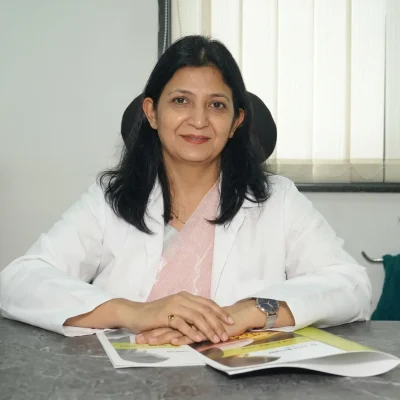
You’re in safe hands with our team of renowned specialists, who bring decades of clinical excellence and patient trust:

M.B.B.S., M.S. (OBGY) Fellowship in Infertility & Laparoscopic Surgeon
Director,
Consultant Obstetrician & Gynaecologist

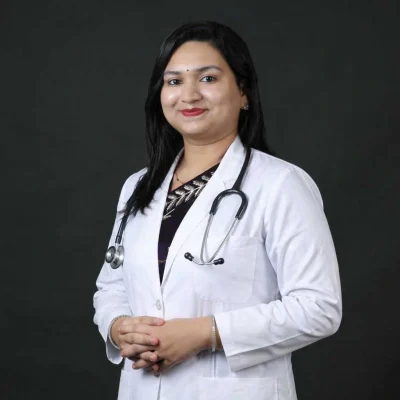
Consultant Obstetrician & Gynaecologist
Our patients’ experiences speak to the quality of care at Anandi Hospitals:
Posted on GoogleTrustindex verifies that the original source of the review is Google. Excellent experience.Posted on GoogleTrustindex verifies that the original source of the review is Google. Best treatment with minimum costPosted on GoogleTrustindex verifies that the original source of the review is Google. Our daughter was born here, and we couldn't have asked for a better experience. Dr. Jyoti was exceptional — her care and guidance through the pregnancy made all the difference. Post-delivery care had a minor gap as the AC in the room was leaking and the fan was making some noise but the caretakers fixed it after a few hours.Posted on GoogleTrustindex verifies that the original source of the review is Google. Happy to say that Anandi hospital is way too good, their services provided,Dr.Jyoti Ma'am's guidance and consultation are top notch,and all health care team are very humble and cooperative. Thank you❤️❤️Posted on GoogleTrustindex verifies that the original source of the review is Google. ڈاکٹر جیوتی برادر ماہرِ خواتین ،آنندی ہاسپٹل ،،اورنگ آباد،مہاراشٹر ، ذاتی تجربہ،بہترین اور کفایتی علاج ،اگر گھر کی خواتین کا جو بھی علاج ہو ۔ایک بار ضرور ڈاکٹر جیوتی سے ملاقات کریں۔Posted on GoogleTrustindex verifies that the original source of the review is Google. Good experience overall at Anandi hospital. Medical care and doctor consultation were top notch. Staff is very supportive. Highly recommend hospitalPosted on GoogleTrustindex verifies that the original source of the review is Google. We had amazing experience at Anandi hospital. The doctors,nurses , and all staff is caring , made us feel safe through entire journey.. provide all facilities required. special thanks to dr. Jyoti shevgan mam. Best doctor ever Highly recommend hospital for maternity!!!Posted on GoogleTrustindex verifies that the original source of the review is Google. Best maternity hospital in providing all facilities required... Having cooperative staff as well..! All staff and doctors of these hospitals are caring and supportive.. we got wonderful experience here thankyou so much anandi hospital...!!
Most anaemia in pregnancy is treated with iron and folic acid supplements, along with an iron-rich diet of green leafy vegetables, jaggery, dates, pulses, nuts and vitamin C-rich foods that help iron absorption. For more severe anaemia, your doctor may recommend iron given through a drip (IV iron) or, rarely, a blood transfusion.
At Anandi Hospitals in Aurangabad, we find the cause of your anaemia, choose the safest treatment, and monitor your haemoglobin until it returns to a healthy level, protecting both you and your baby.
If you feel tired, weak or breathless, or have been told your haemoglobin is low, do not wait. Call Anandi Hospitals or book online to meet our experienced gynaecologists for safe, expert care.
WhatsApp us