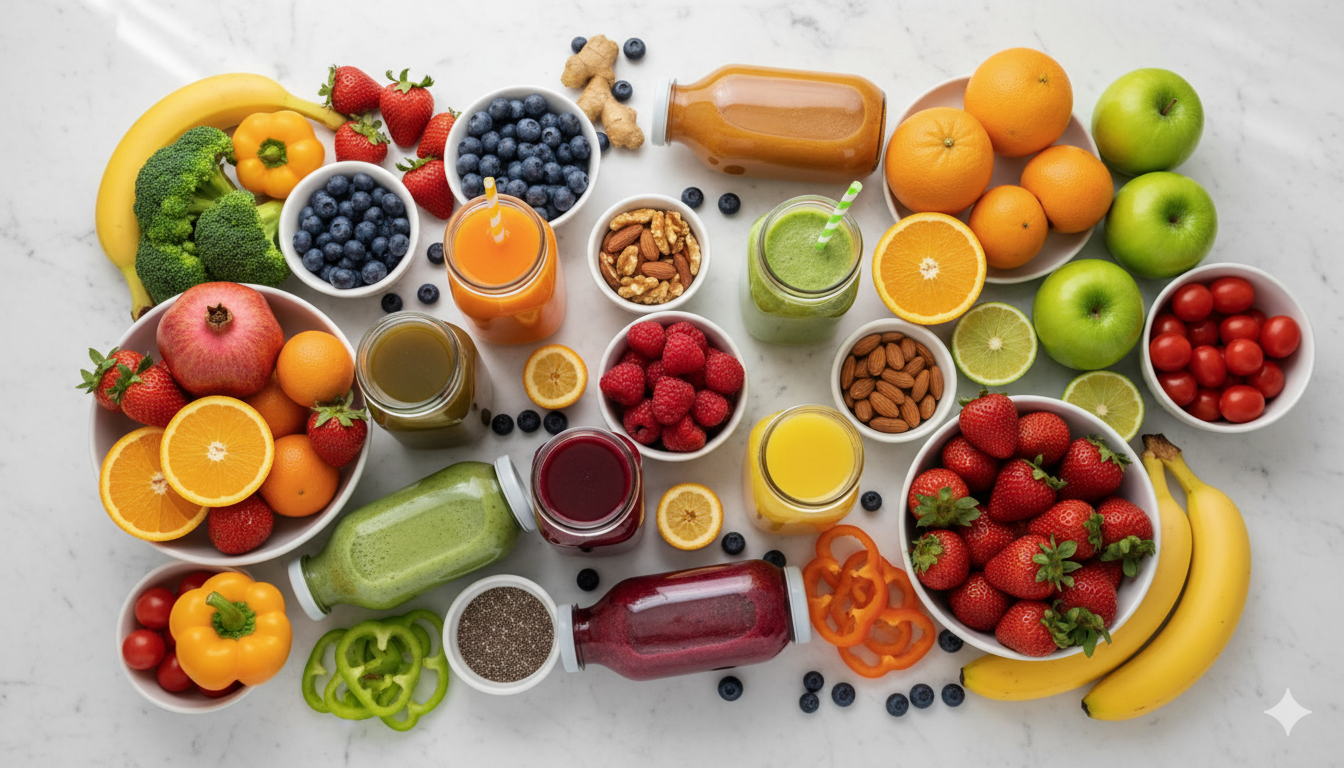
The Best Foods During Pregnancy for a healthy baby’s growth include dark leafy greens like palak and methi, dairy products such as milk and curd, protein-rich pulses, eggs, fresh seasonal fruits, whole grains like jowar and bajra, nuts and seeds, and lean meats or fish for non-vegetarian mothers. Together, these foods supply folic acid, iron, calcium, protein, and omega-3 fatty acids, all of which support your baby’s brain development, bone formation, and overall growth from the very first trimester right through to normal delivery.
For expectant mothers in Sambhajinagar, eating well does not mean expensive imported superfoods. The local markets in Aurangpura, Nirala Bazaar, and Gulmandi offer everything a growing baby needs, often at a fraction of the cost of branded health foods.
Why Nutrition Matters Right from Week One
The first 1,000 days of a child’s life, starting from conception, shape lifelong health. What a mother eats during pregnancy directly affects birth weight, immunity, organ development, and even future learning ability. A balanced thali with the right combination of macronutrients and micronutrients is far more useful than any single “miracle” supplement.
Doctors at Anandi Hospitals often remind pregnant women that traditional Maharashtrian food has always been built around balance: varan-bhaat, bhaji, koshimbir, and a chapati made from local grain. Returning to these familiar eating patterns, with small adjustments, gives most expecting mothers exactly what they need.
Speak with the obstetrics team at Anandi Hospitals for a personalized diet chart that suits your trimester and any underlying health conditions.
Best Foods During Pregnancy: The Essentials
1. Dark Green Leafy Vegetables
Palak, methi, shepu, and chawli leaves are packed with folate, iron, and calcium. Folic acid prevents neural tube defects in the baby, while iron protects the mother from anaemia, which is common across India. Try to include at least one bowl of cooked greens daily.
2. Dal and Pulses
Toor dal, moong, masoor, and chana provide plant protein, fibre, and B vitamins. A simple varan or amti, eaten with rice or bhakri, gives steady energy without spiking blood sugar. For vegetarian mothers, pulses are the strongest protein source after dairy.
3. Milk, Curd, and Paneer
Calcium and vitamin D build the baby’s bones and teeth. Two to three servings of dairy a day, in the form of milk, dahi, buttermilk (taak), or paneer, are usually enough. If lactose is an issue, curd is generally better tolerated than plain milk.
4. Whole Grains: Jowar, Bajra, Nachni
Marathwada kitchens already use jowar bhakri, bajra rotis, and nachni satva. These traditional grains carry more fibre, iron, and magnesium than refined wheat. Nachni porridge is particularly good for breakfast in the second and third trimesters.
5. Eggs and Lean Proteins
For non-vegetarian mothers, well-cooked eggs, chicken, and small fish provide complete protein and choline, which support brain development. Avoid raw or undercooked items entirely.
6. Seasonal Fruits
Sambhajinagar’s seasons offer mosambi, custard apple (sitafal), guava (peru), bananas, and pomegranate. Fruits supply natural sugars, vitamin C, and antioxidants. Aim for two fruits a day, ideally between meals.
7. Nuts, Seeds, and Healthy Fats
A small handful of soaked almonds, walnuts, and dates each morning supports the baby’s brain development. Til, flax seeds, and ghee in moderate amounts offer healthy fats and lasting energy.
Anandi Hospitals’ antenatal classes cover practical, India-friendly meal planning, very useful if you are unsure how to combine these foods throughout the day.
Foods to Avoid
Limit raw papaya, unpasteurised milk, leftover street food, excess caffeine (more than two cups of tea a day), packaged snacks high in trans fats, and any fish high in mercury. Local tip for Chhatrapati Sambhajinagar mothers: Be careful with chaat and roadside pani-puri during pregnancy treatment. The water quality is often a bigger risk than the spice.
Hydration and Small, Frequent Meals
Drink 8 to 10 glasses of clean, filtered water daily. Coconut water, lemon water, and homemade aam panna in season are gentle on the stomach. Eat smaller portions every two to three hours rather than three heavy meals, especially during morning sickness or third-trimester acidity.
Book Your Pregnancy Care at Anandi Hospitals, Chhatrapati Sambhajinagar
Every pregnancy is different, and what works for one mother may not suit another. Book your antenatal consultation with the maternity specialists at Anandi Hospitals, Sambhajinagar, today. Our obstetricians and in-house nutritionists will design a complete pregnancy care plan, from your first scan to safe delivery. Call us or visit the hospital to schedule your appointment now.
Frequently Asked Questions
How much weight should I gain during pregnancy?
A healthy weight gain is usually between 10 and 12 kg for women starting at a normal BMI. Underweight mothers may need slightly more, while overweight mothers should gain less. Your doctor will guide you at each antenatal visit.
Is ghee safe during pregnancy?
Yes, in moderation. One to two teaspoons of ghee a day adds healthy fats, supports digestion, and is part of traditional Maharashtrian pregnancy diets. Avoid overuse if you have gestational diabetes.
Can I eat papaya during pregnancy?
Ripe papaya in small quantities is generally safe and aids digestion. Raw or semi-ripe papaya should be avoided, as it contains latex which may trigger uterine contractions.
Do I still need supplements if I eat well?
Most pregnancies still require folic acid, iron, calcium, and vitamin D supplements as prescribed. Food alone rarely meets the increased demand, particularly in Indian women who often start pregnancy with low iron stores.
What should I eat to manage morning sickness?
Plain khichdi, rice with dahi, lemon water, ginger tea, dry bhakri, and small, frequent meals usually help. If vomiting is severe, contact Anandi Hospitals immediately, as dehydration in early pregnancy needs medical attention.