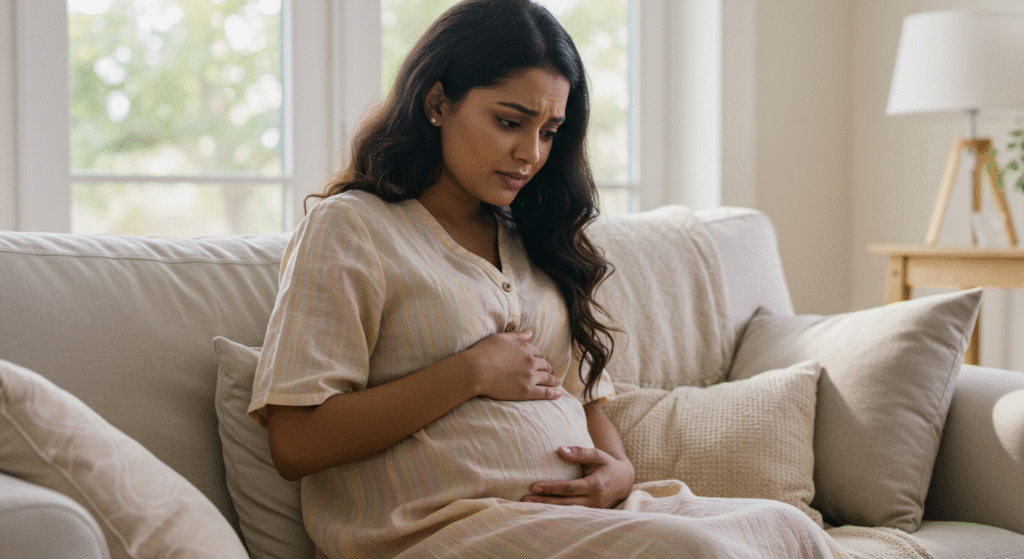
Pregnancy brings enough surprises without fatigue sinking in like wet sand between your toes. The more you try to rest, the more drained you feel – and that’s not just “baby tired.” It might be anaemia creeping in quietly, turning joy into discomfort without much warning.
Sometimes the heart flutters faster, breath shortens easily, or the skin loses its glow – these are common symptoms of anemia during pregnancy, but they’re often so subtle they get missed. When our mothers and grandmothers said, “Eat your greens,” they were unknowingly warning about the iron and folic acid needs we often overlook today.
At Anandi Hospital, we meet women every day who wonder if what they feel is normal or needs help. Our expert team listens, checks gently, explains clearly, and ensures you feel better – stronger from the inside out.
Causes of Anemia During Pregnancy
Feeling constantly weak in pregnancy isn’t just about the bump growing. Often, it’s what your blood lacks that’s the issue.
Anemia during pregnancy mostly begins with low iron and vitamin B levels. With the body working harder to support another life, this demand rises fast. Without enough iron, folic acid, or B12, your blood can’t carry oxygen properly – leaving you drained even after a full night’s rest. These nutritional shortfalls become even more risky if you had pre-existing anemia before getting pregnant or if your meals lack diversity.
Nutritional Deficiencies
Iron and folate aren’t just checkboxes on a supplement pack – they’re fuel. Women who miss out on iron-rich foods like leafy vegetables or pulses may find their stores emptying quickly.
Vitamin B12, mostly present in animal products, becomes a concern, especially for vegetarian mothers. Without enough of these, red blood cells get smaller, fewer, and less efficient, causing something doctors call folate-deficiency or B12-deficiency anemia.
Increased Blood Volume During Pregnancy
Pregnancy increases your blood volume by nearly 50%, and that can water down red blood cells.
This “hemodilution” effect, while natural, lowers haemoglobin levels. If the body can’t keep up production with the growing demand, anemia slips in silently. You may not even notice until climbing stairs feels like a marathon.
Medical and Lifestyle Factors
Things like closely spaced pregnancies or undiagnosed anemia from the past can raise red flags early.
Additionally, individuals following strict vegetarian diets without supplements may be at risk of completely lacking B12. At Anandi Hospital, we guide each mother based on her history, providing her with personalised care to help her stay steady throughout all trimesters.
Common Symptoms of Anemia in Pregnant Women
Sometimes it’s not about how much you rest, but how well your body absorbs nutrients. The subtle symptoms of anemia during pregnancy often get brushed off as “just pregnancy things,” leaving many women unaware that their fatigue or dizziness may be more than routine changes.
General Physical and Emotional Signs
It begins subtly – chilly fingers, pale cheeks, and a never-ending feeling of exhaustion, even when sleeping enough.
Restless leg syndrome might show up at night, with feet constantly twitching. All these point to your body struggling with oxygen delivery. At Anandi Hospital, we often hear mothers say, “I just don’t feel like myself anymore”, – and that’s a vital conversation starter.
Cardiopulmonary Indicators
If catching your breath becomes frequent or your heartbeat races even while sitting, it could be more than overexertion.
Fast heart rate, palpitations, and shortness of breath are markers of oxygen-starved red blood cells not pulling their weight – quite literally.
Neurological and Functional Changes
Some women experience light-headedness when getting up or feel like they’re floating during routine tasks.
This isn’t just tiredness – it may be the brain lacking consistent oxygen supply due to anaemia. These symptoms become more intense in advanced pregnancy and shouldn’t be ignored.
Effects of Anemia on Mother and Baby
Unchecked anemia doesn’t stop at fatigue – it steps into places that matter the most, like your baby’s growth and your health post-delivery.
Maternal Complications
Anaemia weakens the immune system. This makes the mother more prone to infections and delayed healing post-labour.
It also increases the chance of postpartum depression. Emotional lows feel heavier, and recovery becomes slower – especially with low haemoglobin.
Foetal Development Concerns
A baby depends on iron-stored blood for its brain and body growth. Without it, low birth weight becomes a serious threat.
Preterm deliveries are also common when oxygen supply to the fetus is consistently interrupted by maternal anaemia.
Labour and Postnatal Impact
Low iron levels can affect how well muscles, including the uterus, work during delivery. This could lead to complications in labour.
Post-delivery, iron also impacts breast milk quality. At Anandi Hospital, we track iron levels closely in women just before delivery to avoid last-minute surprises.
Diagnosing Anemia During Pregnancy
Knowing early can change everything. A simple test can catch anaemia before the symptoms take over.
Clinical Evaluation
During routine antenatal visits, we begin with questions about tiredness, changes in appetite, and breathlessness levels.
Combining this with our clinical checks provides a clear picture for timely intervention. Our team at Anandi Hospital has the right eye for subtle yet significant clues.
Laboratory Tests
We recommend haemoglobin blood count testing as part of standard antenatal care.
Low haemoglobin numbers signal us to follow up with detailed checks – like serum ferritin levels or total red blood cells – helping us treat what’s actually causing the drop.
Managing Anemia in Pregnancy
Once diagnosed, the goal is to elevate your haemoglobin gently, effectively, and without stress on the baby or you.
Supplementation and Medication
We usually start with iron supplements. These can be syrup, tablets, or vegetarian options for women with sensitivities.
Some mothers feel nausea or constipation with these, and we offer gentle alternatives. Our team gives you choices rather than fixed plans, supporting your comfort.
Severe Anemia Treatment Options
If numbers fall below a certain level, we consider iron infusions or blood transfusions under safe medical environments.
In emergencies, our Chh. Sambhajinagar facilities are equipped with dedicated delivery suites and expert backup for both mother and child.
Medical Oversight
We tailor the iron dose with each trimester, adjusting based on blood reports and health comfort.
Regular follow-ups help us track progress and avoid complications later in pregnancy or during the crucial weeks before birth.
Nutrition and Lifestyle for Prevention
Good food choices aren’t about weight gain alone – they feed your strength and your baby’s growth.
Diet-Oriented Practices
Leafy greens, lentils, jaggery, and dried fruits provide iron naturally. Adding lemon or amla helps vitamin C enhance absorption.
We work closely with our in-house dietician to guide week-by-week menus that make eating nutrient-rich food feel easy, not boring.
Routine and Supplements
Daily prenatal vitamins that include folate, iron, and B12 support sustained health.
We remind our patients not to pair calcium with iron, as it blocks absorption – a small but powerful step.
Lifestyle Additions
Staying active keeps circulation healthy. Walking and light pregnancy-friendly yoga do wonders.
Our physiotherapy unit trains mothers in safe movements, strengthening the body while reducing the risk of anaemia.
Risk Factors and High-Risk Groups
Some women fall into at-risk zones even before the bump starts to show. A little awareness helps manage that better.
Pre-Existing and Medical History
Mothers with diabetes, kidney issues, or menstrual problems often start pregnancy with already lowered iron stores.
Missing early scans or nutrition planning leaves little time for correction later.
Pregnancy-Specific Risks
Twins, triplets, or back-to-back pregnancies push the body too fast without full iron recovery in between.
We emphasise early screening in the first trimester to identify potential issues before they become significant.
Special Considerations
By the third trimester, blood demands peak. That’s when a close monitor becomes crucial.
With over 1,500 mothers cared for since 2021, we plan every stage thoughtfully – from preconception consultations to final stretch delivery preparation.
FAQs on Anemia in Pregnancy
How do I know if I have anemia in early pregnancy?
If you feel constantly drained, low in energy, or dizzy, it might be your hemoglobin levels.
Visit us at Anandi Hospital for a simple blood test during your early antenatal checkups. It’s painless, quick, and informative.
Can iron deficiency affect my baby’s growth?
Yes. Babies rely on iron for forming their nervous system and body tissues.
Poor iron can lead to low birth weight or early delivery. Timely treatment protects both mother and baby.
What signs indicate severe anemia in the third trimester?
Short breath, chest tightness, and weakness even after rest can indicate serious levels.
Contact our team immediately at either our Sutgirni Chowk or Adalat Road centre. We prioritise fast action in such cases.
Can food cravings or disturbed sleep indicate anemia?
Pica, a craving to eat non-food items like soil or chalk, can signal iron deficiency.
Also, restless sleep or leg movements during rest could be linked to poor iron levels. We treat these with the right nutrition and supplements.
That Constant Tiredness Isn’t Just in Your Head
Sometimes it’s not just the bump growing – it’s the exhaustion that weighs heavier each day. That nagging feeling of being more worn out than usual might be trying to tell you something your body hasn’t said out loud yet.
Staying on top of how you’re really feeling during pregnancy isn’t just good sense – it’s necessary. Trusting your instincts and giving your body what it needs doesn’t mean overreacting; it means protecting both you and your baby with simple steps grounded in care and awareness.
At Anandi Hospital, we support pregnant women through every stage by helping them recognise important signs early and offering expert care when it matters most. Book your consultation with us today and feel the difference personalised care makes.