Staying healthy starts with understanding what your body needs at different stages of life. The most important checkups for women include screenings that help detect issues early so treatment can begin on time. These tests can identify hormonal concerns, cancer risks, lifestyle-related disorders, and reproductive health problems long before symptoms appear. By keeping up with these essential health checkups, women can safeguard long-term well-being and avoid complications that often go unnoticed in the early stages.
Regular appointments at trusted centres such as Anandi Hospitals can help you stay on track with preventive care and expert guidance whenever required.
1. Annual General Health Checkup
An annual health examination is the foundation of preventive healthcare for women. This usually includes a physical assessment, a blood pressure check, a blood sugar test, a BMI calculation, and a urine analysis. Such routine assessments can pick up early signs of diabetes, hypertension, thyroid imbalance, or nutritional deficiencies. Women often ignore mild fatigue, headache, or weight changes, but these can be indicators of underlying conditions. A yearly check ensures that changes are monitored and addressed early through lifestyle adjustments or medical intervention.
For personalised annual health assessments, you can choose Anandi Hospitals for reliable support throughout the year.
2. Gynaecological Exam
A routine gynaecology check is important regardless of age or marital status. This exam helps identify issues related to menstruation, reproductive organs, infections, and hormonal balance. A gynaecologist may assess symptoms like irregular periods, pelvic pain, heavy bleeding or unusual discharge. Many women avoid visiting a specialist until symptoms worsen, which can delay treatment for conditions like PCOS, fibroid removal or endometriosis. Regular checkups help ensure reproductive health is monitored closely.
3. Pap Smear and HPV Test
Cervical cancer remains one of the most common cancers among Indian women. A Pap smear detects abnormal cells in the cervix, while an HPV test checks for the virus responsible for most cervical cancer cases. These tests typically start from age 25 and are repeated at intervals based on your doctor’s recommendation. Early detection significantly improves treatment outcomes, making this one of the most important tests for long-term reproductive wellbeing.
4. Breast Examination and Mammogram
Breast self-checks are helpful, but clinical breast exams and mammograms are essential for early cancer detection. Women over 40 are usually advised to have a mammogram every 1 to 2 years, depending on family history and other risk factors. Younger women should also get regular breast evaluations during gynaecology visits. Detecting small lumps or abnormalities early can save lives, which is why breast screening should never be postponed.
5. Bone Density Test
As women age, the risk of osteoporosis increases due to hormonal changes. A bone density test, especially after menopause or after age 50, checks how strong your bones are and prevents fractures caused by weakening bone mass. Women with a smaller frame, low calcium intake, a sedentary lifestyle, or a family history face a higher risk of pregnancy treatment. Early assessment allows doctors to recommend supplements, lifestyle modifications, and treatments that maintain bone strength.
6. Thyroid Function Test
Thyroid disorders are extremely common among Indian women, often showing up as weight management during pregnancy changes, fatigue, hair loss, irregular periods or mood swings. A simple blood test can check TSH, T3, and T4 levels to diagnose conditions like hypothyroidism or hyperthyroidism. Many women experience thyroid issues during pregnancy or postpartum as well, making regular testing essential for overall hormonal health.
You can opt for reliable thyroid and hormonal assessments at Anandi Hospitals to ensure accurate treatment plans.
7. Blood Sugar and Cholesterol Tests
Modern lifestyle habits, sedentary routines, and genetic predisposition have made diabetes and heart disease major concerns for Indian women. Fasting blood sugar, HbA1c, and lipid profile tests help track your risk. Even young or slim women can develop metabolic conditions without showing obvious symptoms. Regular screening helps identify prediabetes, high triglycerides, or raised cholesterol, so corrective steps can begin early.
8. Vitamin and Mineral Deficiency Tests
Iron deficiency anaemia, vitamin D deficiency, and vitamin B12 deficiency are widespread among Indian women. Fatigue, pale skin, hair loss, mood changes, and muscle weakness are often linked to these deficiencies. A blood test can reveal whether you need dietary adjustments or supplements. Addressing deficiencies early prevents chronic tiredness, reduced immunity, and complications during pregnancy.
Why These Checkups Matter
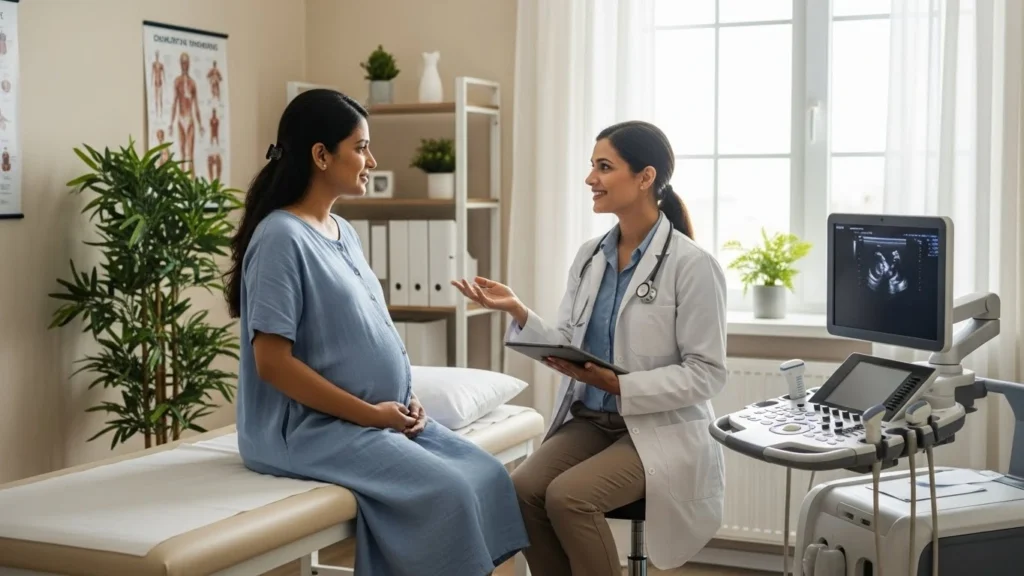
Women tend to prioritise family responsibilities over personal health. However, preventive checkups provide a clear picture of your body’s condition and help you catch issues early, reducing long-term risks. Whether you are a young professional, a homemaker, pregnant, or approaching menopause, regular screenings form a strong foundation for lifelong wellness.
The Way Forward
Take control of your health with expert guidance and comprehensive screening packages at Anandi Hospitals. Book your appointment today and prioritise your wellbeing with confidence.
Frequently Asked Questions
At what age should women start regular health checkups?
Basic annual checkups can begin in the early twenties. Tests like Pap smears and breast screenings follow age-based guidelines recommended by your doctor.
How often should I get a Pap smear done?
Usually every three years, but your doctor may suggest a shorter interval depending on your health history and test results.
Why is thyroid testing important for women?
Thyroid issues are very common and can affect metabolism, mood, weight and menstrual cycles. Regular tests help diagnose problems early.
Do I need a mammogram before forty?
Women with a family history of breast cancer or higher risk factors may be advised to start earlier. Always consult your doctor.
Are vitamin deficiencies really common among women?
Yes, especially vitamin D, iron, and B12 deficiencies due to lifestyle, diet, and hormonal factors. Testing helps prevent long-term health problems.
Can routine checkups really detect problems early?
Yes, many conditions show no visible symptoms at first. Early detection makes treatment easier, quicker, and more effective.