Have you noticed more hair strands on your pillow or clumps in the shower drain? You’re not alone. Hair loss is a concern that affects countless women, and while many factors contribute to thinning hair, hormonal imbalance is one of the most common yet overlooked culprits.At Anandi Hospital, we understand how distressing hair loss can be. As specialists in women’s health, we’ve helped many patients navigate the connection between their hormones and hair health. Let’s look at how hormonal imbalances can trigger hair loss and what you can do about it.
Understanding Hormonal Hair Loss
Yes, hormonal imbalance can absolutely cause hair loss. Your hormones regulate the hair growth cycle, which consists of three phases: growth (anagen), transition (catagen), and resting or shedding (telogen). When your hormone levels are out of balance, they can disrupt these natural cycles, leading to increased shedding and noticeable thinning.Unlike sudden hair loss from other causes, hormonal hair loss typically develops gradually. You might not realise it’s happening until your ponytail feels thinner, your parting becomes more visible, or your hairline starts to recede.
Key Hormones That Affect Hair Growth
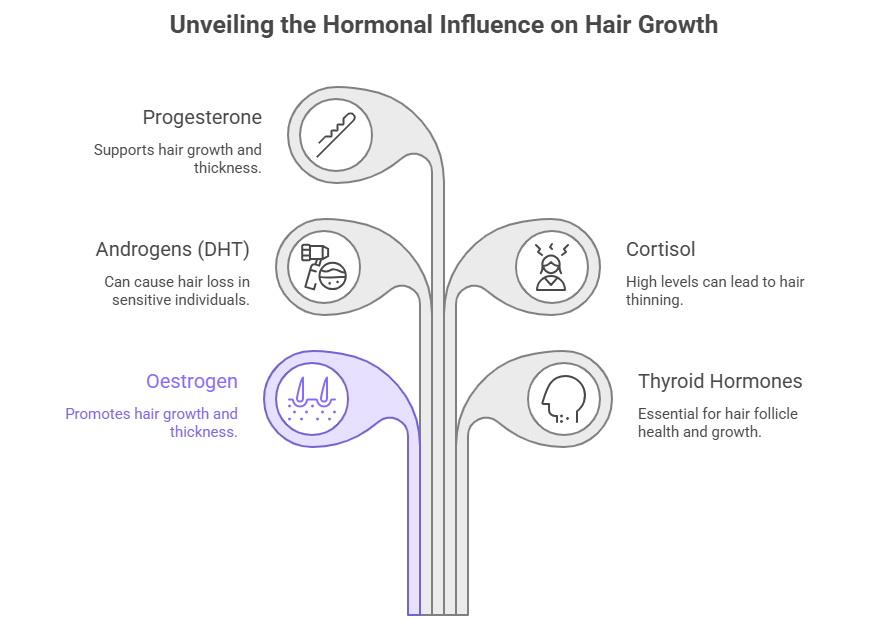
Several hormones directly influence your hair’s health and growth:
Oestrogen
Oestrogen is one of your hair’s best friends. It helps keep hair in the growth phase longer, promoting thickness and length. When oestrogen levels drop, such as during menopause or after childbirth, hair follicles can prematurely enter the resting phase, leading to increased shedding.
Thyroid Hormones
Your thyroid gland produces hormones essential for metabolism and overall body function, including hair follicle health. Both hypothyroidism (low thyroid hormone) and hyperthyroidism (high thyroid hormone) can disrupt the hair growth cycle, causing your hair to become brittle, thin, and prone to falling out.
Androgens (DHT)
Dihydrotestosterone (DHT) is derived from testosterone and, when excessive, can shrink hair follicles on your scalp. This shortens the growth phase and lengthens the shedding phase, particularly affecting the crown and parting areas. This condition is known as female pattern hair loss or androgenic alopecia.
Cortisol
Often called the stress hormone, cortisol spikes during emotional or physical stress. High cortisol levels can trigger telogen effluvium, a temporary condition where hair follicles enter an extended resting phase, causing noticeable shedding several months after a stressful event.
Progesterone
Progesterone works alongside oestrogen to support your menstrual cycle and pregnancy. It also helps inhibit the conversion of testosterone into DHT. When progesterone levels are low, this protective effect diminishes, potentially contributing to hair loss.
Common Causes of Hormonal Imbalance
Understanding what disrupts your hormone balance can help you find the root cause of hair loss:
Pregnancy and Postpartum
During pregnancy, high oestrogen levels mean you enjoy thicker, fuller hair. After childbirth, hormone levels drop rapidly, and many new mothers experience noticeable hair shedding between two and four months postpartum. This is completely normal and usually temporary.
Menopause
As you approach menopause, oestrogen and progesterone levels decline sharply. This hormonal shift shortens the hair growth phase and allows more testosterone to convert into DHT, increasing the risk of thinning hair.
Polycystic Ovary Syndrome (PCOS)
PCOS raises androgen levels, including DHT, which can cause hair loss on the scalp while sometimes increasing facial hair growth. Managing PCOS through medical treatment often helps restore hair health.
Thyroid Disorders
Both overactive and underactive thyroid conditions can disrupt hormone balance and lead to hair thinning. Proper thyroid management is necessary for maintaining healthy hair growth.
Chronic Stress
Prolonged stress raises cortisol levels, pushing hair follicles into the resting phase prematurely. This results in telogen effluvium, characterised by diffuse hair shedding across the scalp.
Signs Your Hair Loss Is Hormonal
How can you tell if hormones are behind your hair loss? Look for these indicators:
✓ Gradual thinning rather than sudden bald patches
✓ Increased shedding during or after major life changes (pregnancy, menopause, high stress)
✓ Thinning concentrated at the crown or along the parting
✓ Hair loss accompanied by other symptoms like irregular periods, unexplained weight changes, or fatigue
✓ No family history of genetic baldness
If you’re experiencing these signs, it’s worth investigating your hormone levels with a healthcare professional.
Managing Hormonal Hair Loss
The good news is that hormonal hair loss can often be managed effectively with the right approach:
Lifestyle Changes
Simple modifications can make a real difference:
✓ Try stress-reduction techniques like meditation, yoga, or regular exercise
✓ Eat a balanced diet rich in protein, iron, vitamins, and omega-3 fatty acids
✓ Get quality sleep (7-8 hours nightly) to support hormone regulation
✓ Stay hydrated and limit processed foods
Medical Interventions
Depending on the underlying cause, your doctor may recommend:
✓ Hormone replacement therapy for menopause-related hair loss
✓ Thyroid medication to restore hormonal balance
✓ Treatment for PCOS to reduce high androgen levels
✓ Supplements to fix nutritional deficiencies
Gentle Hair Care
While treating the root cause, be kind to your hair:
✓ Avoid tight hairstyles that pull on your roots
✓ Limit heat styling and harsh chemical treatments
✓ Use gentle, sulphate-free hair products
✓ Handle wet hair carefully, as it’s more fragile
When to Seek Medical Help?
If you notice sudden or severe hair loss, bald patches, or hair loss accompanied by unusual symptoms, consult a healthcare provider promptly. Early diagnosis helps identify underlying hormonal issues and prevents further thinning.
At Anandi Hospital, our experienced team of women’s health specialists understands the complex relationship between hormones and hair health. We offer comprehensive assessments to identify hormonal imbalances, whether related to thyroid disorders, PCOS, postpartum changes, or menopause.
Take the First Step Towards Healthier Hair
Hair loss can be emotionally challenging, but understanding that hormonal imbalances are often treatable gives you hope. With proper diagnosis and personalised care, many women see real improvement in their hair health.
If you’re concerned about hair loss or experiencing other symptoms of hormonal imbalance, don’t wait. Our compassionate team at Anandi Hospital is here to support you through every stage of your health journey. From comprehensive hormonal assessments to tailored treatment plans, we’re committed to helping you feel confident and healthy again.Book your consultation today and let our experts help you find the root causes of your hair loss. Your health and well-being are our priority.