
Many women assume that pregnancy during periods is impossible, but the truth is that it can happen in certain situations. Although the chances are usually low, factors such as irregular cycles, early ovulation, or sperm survival inside the reproductive tract can make conception possible even during menstrual bleeding. Understanding how the cycle works helps you make informed decisions about your reproductive health and seek timely medical guidance, including High-Risk pregnancy treatment when underlying conditions or complications are present.
Menstruation is commonly viewed as the least fertile stage of the cycle. However, fertility does not always follow predictable timelines. Sperm can stay alive inside the body for up to five days. If a woman ovulates soon after her period ends, the sperm may still be viable, allowing fertilization. This is especially relevant for women with shorter cycles or inconsistent hormone patterns.
How the Menstrual Cycle Works
To understand the possibility of pregnancy during periods, it is helpful to know how the menstrual cycle functions. A typical cycle lasts twenty-eight to thirty-five days, but many women experience variations. The cycle begins with menstruation, followed by the growth of the egg in the ovary. Ovulation generally occurs around the midpoint of the cycle. Maintaining overall reproductive health, including following a balanced pregnancy diet chart, can support hormonal balance throughout these phases.
If ovulation takes place earlier than usual, especially near the end of the period, sperm present in the reproductive tract may meet the egg. This can lead to conception even if intercourse happens during menstrual bleeding.
Chances of Getting Pregnant During Periods
1. During the First Few Days of Bleeding
The chances are usually very low at this stage because the body is shedding the uterine lining, and hormone levels are at their lowest. Most women will not ovulate this early. However, for women with extremely short cycles, ovulation may occur soon after the period ends.
2. Towards the End of the Period
This is when the probability increases. If your cycle is about twenty-one to twenty-four days, ovulation may occur earlier than usual. Since sperm can survive for several days, intercourse during the last day or two of your period may still lead to pregnancy.
3. Irregular Cycles
Women without predictable cycles face greater uncertainty. Hormonal fluctuations, stress, weight changes, and health conditions like PCOD can affect ovulation. In such cases, determining a safe window becomes difficult, and pregnancy during periods becomes more likely compared to women with stable cycles.
If you ever feel confused about your fertility window or experience irregular cycles, consultants at Anandi Hospitals can offer clear guidance to support your reproductive health.
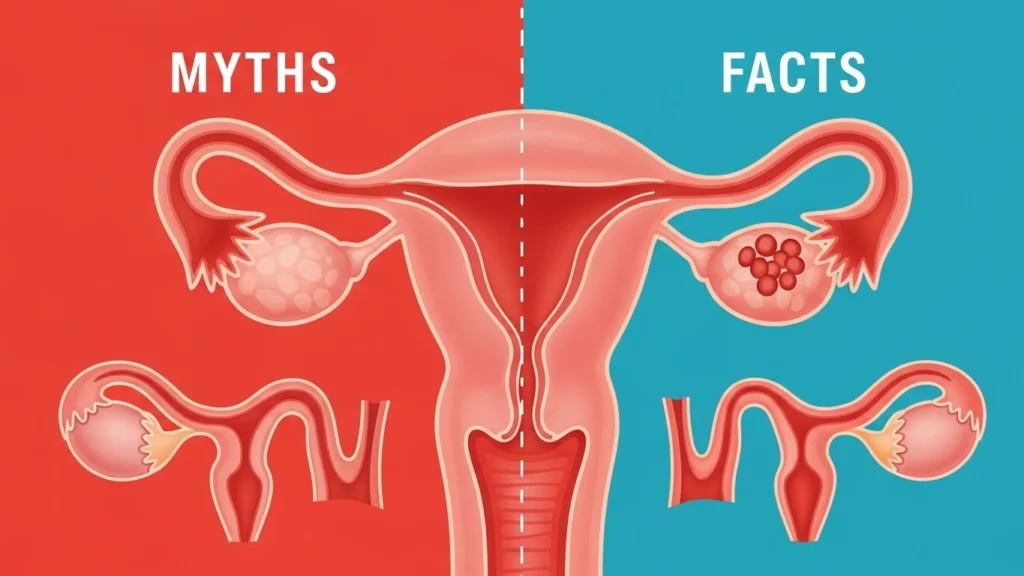
Common Myths About Period Sex and Pregnancy
Myth 1: Pregnancy Is Impossible During Periods
This is one of the biggest misconceptions. While the chances may be low, pregnancy can happen. It depends on cycle length, ovulation timing and sperm survival.
Myth 2: Bleeding Automatically Means You Are Not Fertile
Some women experience spotting or bleeding around ovulation or due to hormonal fluctuations. Not all bleeding is a period, and misunderstanding this can lead to unplanned pregnancies.
Myth 3: Sperm Cannot Survive in Menstrual Blood
Sperm are resilient. They can survive in the cervical mucus for a period, which means fertilisation can still occur after ovulation.
Myth 4: Women with PCOD cannot Conceive During Irregular Bleeding
Women with PCOD can ovulate unexpectedly. Even if cycles are irregular, ovulation can happen at any time, making pregnancy a possibility.
Factors That Increase the Chances of Pregnancy During Periods
1. Short Menstrual Cycles
Women with cycles shorter than 26 days may ovulate earlier. This increases the chance of conception during or immediately after the period.
2. Long Periods
If bleeding lasts seven days or more, there is a possibility that ovulation may occur soon after the period, allowing sperm to fertilise the egg.
3. High Sperm Longevity
Healthy sperm with good motility can live longer. This improves the chances of conception even when intercourse happens during menstrual bleeding.
4. Miscalculation of Ovulation
Many women depend on apps or assumptions to track fertile days. These tools are helpful but not perfect. Incorrect predictions can result in an unexpected pregnancy.
If understanding your fertility cycle feels complicated or overwhelming, the specialists at Anandi Hospitals can guide you with personalized support and reproductive care.
How to Reduce the Chances of Pregnancy During Periods
If you are sexually active and do not wish to conceive, it is important to use contraception consistently. Relying only on cycle timing is not always effective. Some options include:
- Condoms
- Oral contraceptive pills
- Copper or hormonal intrauterine devices
- Injectable contraception
If bleeding seems abnormal, cycles are difficult to track, or you frequently experience discomfort, it may be wise to consult a gynecologist. Early evaluation helps maintain long-term reproductive wellness.
When to See a Doctor
Consider seeking advice if:
- Your cycles have become unpredictable
- Periods are excessively heavy or painful
- You are trying to conceive, but are unsure about ovulation
- You suspect a hormonal imbalance.
- You experience sudden changes in menstrual patterns
A professional assessment can help identify underlying concerns such as PCOD, thyroid conditions, infections, or hormonal irregularities.
The Way Forward
For expert reproductive care, precise cycle assessment, and guidance regarding conception or contraception, visit Anandi Hospitals today and book your consultation. Their experienced team is committed to supporting your health with attentive care and medically sound advice.
Frequently Asked Questions
Can I get pregnant on the first day of my period?
The chances are very low because the uterus is shedding its lining, but for women with short cycles, it is still possible.
Can I get pregnant at the end of my period?
Yes. As you approach the last days of bleeding, the possibility increases, especially if you ovulate early.
How long can sperm survive inside the female body?
Sperm can survive for up to five days, which is why intercourse during the period can still lead to pregnancy if ovulation occurs soon after.
Does PCOD change the chances of pregnancy during periods?
PCOD can make ovulation unpredictable. This means pregnancy can occur at any time if unprotected intercourse happens.
Is period sex safe?
It is generally safe but may be messy. Using condoms helps reduce the risk of pregnancy and protects against infections.
How can I avoid pregnancy during periods without hormones?
Condoms are the safest non-hormonal option. Relying solely on timing is not recommended because ovulation can vary.